About
We know what the state is going to ask for.
Most consultants know one or two states well. We work across all fifty-one jurisdictions and nine provider categories — which means we've watched the same kind of application reviewed under fifty-one different sets of rules, and we know where each of them is strict.
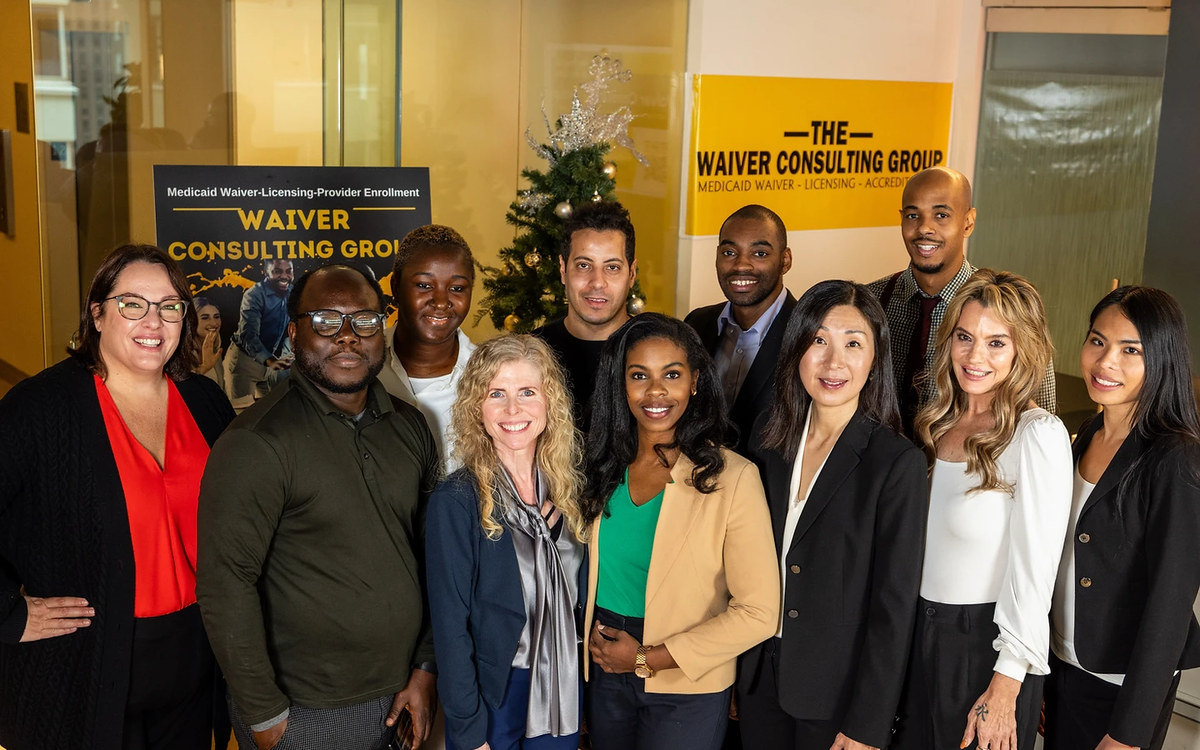
The WCG team · Market Street office, Philadelphia


A consultant who works in one state learns that state's answers. A consultant who works in fifty-one learns which answers are federal, which are state discretion, and which are one reviewer's preference — and that distinction is most of the job.
What we do differently
Four things that separate us
Stated plainly, including what the alternative usually looks like.
We write to citations, not to templates
A manual that restates the regulation tells a reviewer nothing. Ours describe how your agency actually operates — who does it, when, on what form, and what happens when it doesn't happen — against your state's specific citations.
You own everything we produce
The manuals, forms, job descriptions, and models are yours. Edit them, reuse them in another state, keep using them after the engagement ends. Nothing is locked to a subscription or a platform we control.
We tell you when it doesn't work
Feasibility modelling occasionally ends a project — a service line that doesn't pencil at the current rate, or a pathway effectively closed to new providers in that state. We say so before you've hired for it.
The whole pathway, not one piece
Licensure, qualification, enrollment, credentialing, and contracting are five separate approvals from five different bodies. Firms that handle only enrollment leave you to discover the other four, usually in the wrong order.
The range
Nine provider categories, fifty-one jurisdictions
Breadth isn't a marketing claim here — it's the mechanism. Working across categories is how you recognise that a state has borrowed a service definition from another program, that a setting question is about to surface, or that a rule which looks state-specific is actually federal and therefore not negotiable.
It also makes expansion routine rather than a first attempt. A provider moving from Pennsylvania to Ohio is asking a question we've answered before, in both directions.
The people
Who does the work
Not a directory of account managers. The people named here are the ones on your file.
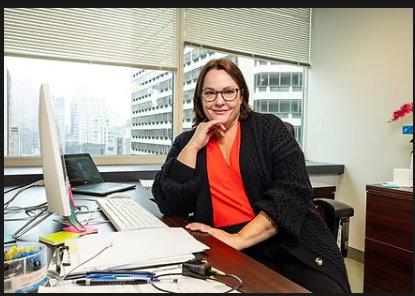
Dr. Michelle Gottlieb
Executive Officer
Oversees firm strategy and quality across engagements, bringing a clinical and executive background in community-based services.
Focus — organizational strategy, clinical program oversight

Amara Kamara
Administrator & Senior Partner
Leads licensing and certification work across all 51 jurisdictions, after years managing direct support operations before advising on them — the perspective behind The HCBS Operator's Playbook.
MHS, MPM, MAIS, CCEP® — Certified Compliance & Ethics Professional

Fatima Koroma
Business Development Manager
Works with providers at the earliest stage — feasibility, market entry, and matching a service concept to the state pathway that actually supports it.
BSN, RN — Registered Nurse

Cllr. Huo Jin
Internal Counsel & Compliance Manager
Reviews regulatory positions, contracts, and compliance exposure — the reason our documents hold up when a surveyor or an auditor reads them closely.
MBA, JD, CHCR® — Certified Healthcare Compliance

Dave Logan
Waiver Success Coordinator
Keeps engagements moving — deliverables, deadlines, and the follow-through on state requests that decides whether an application clears in one cycle or three.
MBA, CCEP® — Certified Compliance & Ethics Professional
The bench behind them
Engagements also draw on specialists who work your jurisdiction and service type daily.
- Licensing analystsState-specific application and survey preparation
- Policy writersManuals drafted to your state's citations
- Enrollment specialistsPortal filings, revalidations, and CAQH
- Credentialing teamPayer and MCO network contracting
- Accreditation coachesCHAP · ACHC · Joint Commission readiness


How we're built
Infrastructure, not just advice
The tooling exists because consulting delivered as email threads and attachments falls apart by the second state.
WaiverStryms
The project portal. Every deliverable, deadline, document, and status in one place, so nobody reconstructs a project from an inbox.
Waiverlyn
Our assistant handles status questions, scheduling, and routine enquiries outside business hours, so specialist time goes to specialist work.
Waiver Academy
Online training, so staff competency documentation exists before a surveyor asks for it rather than being assembled afterward.
The regulatory library
Agency, waiver, and service definition references maintained across 51 jurisdictions — the reason a new state isn't a research project.
Published references
The HCBS Operator's Playbook and Direct Support: From a Manager's Viewpoint — our thinking in the open, where it can be checked.
Help Center
Guides, tutorials, and state agency contacts, so routine questions don't require an appointment to answer.
How we work
Commitments we'll hold to
A written scope, every time
Deliverables named, sequence stated, and what we need from you set out before work begins. No open-ended retainers.
No promises about outcomes we don't control
We don't guarantee approval, and we don't quote processing times as though they were ours to set. What we control is whether the submission is complete, correct, and filed in the right order.
You see drafts before anything is filed
Your operation shapes the documents. We make sure the documents satisfy the state.
The first conversation is free and useful
Thirty minutes, and most people leave knowing the agency, the sequence, and whether the timeline is realistic — whether or not they engage us.